The Art of Chado: Beyond the Surface of Uji
In the misty valleys outside Kyoto, tea is not merely an infusion; it is an architecture of hospitality and presence.
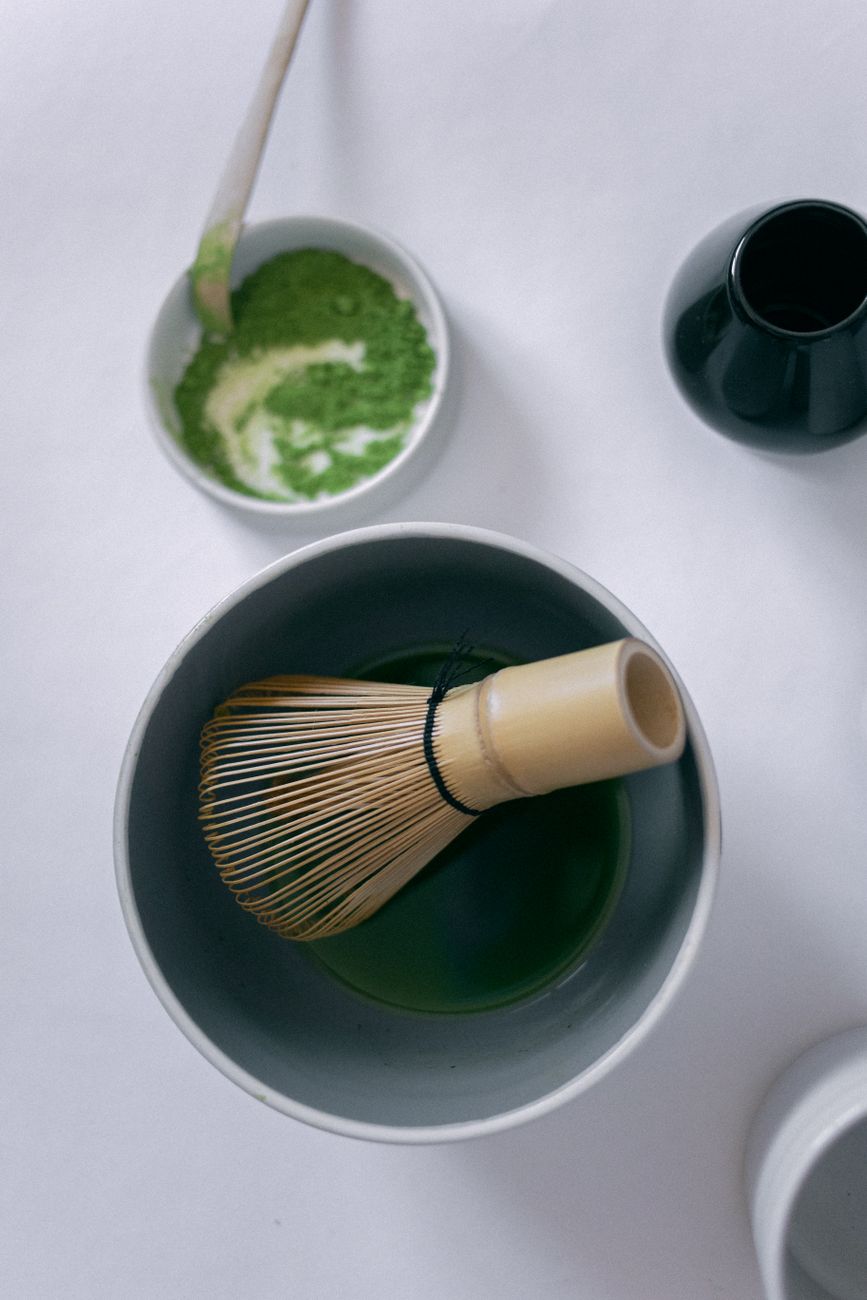

To arrive in Uji on a drizzling autumn morning is to enter a landscape steeped in damp moss and toasted leaf aromatics. Here, along the gentle bends of the Uji River, the practice of growing tea under bamboo reed shades has continued unbroken since the 13th century. While matcha has proliferated across global metropolitan cafés, its spiritual core remains tethered to these limestone hills.
Ichigo Ichie: One Time, One Encounter
At the tearoom of Master Shosuke Morita, nothing is incidental. The alcove displays a single seasonal camellia, its stem curving slightly to mimic the wind outside. The hot water kettle hums with what masters describe as matsukaze—the whisper of wind passing through highland pine trees.
"The visitor often seeks perfection," Morita explains as he whisks a vibrant bowl of tencha. "Yet the bowl itself—a 400-year-old Raku vessel with uneven glazing—teaches us that true grace lives inside asymmetry and impermanence."
Slow Travel as Sensory Reset
Approaching culinary culture through such depth demands hours rather than minutes. We encourage travelers to avoid rapid bus tours and instead lodge in traditional ryokans in Uji or Kameoka, walking through shaded plantations at sunrise before the morning mist lifts.
Explore Cultural Itineraries in Kansai
Receive private introductions to quiet ceramics studios, tea producers, and Zen gardens away from standard tourist tracks.
Connect with Curators